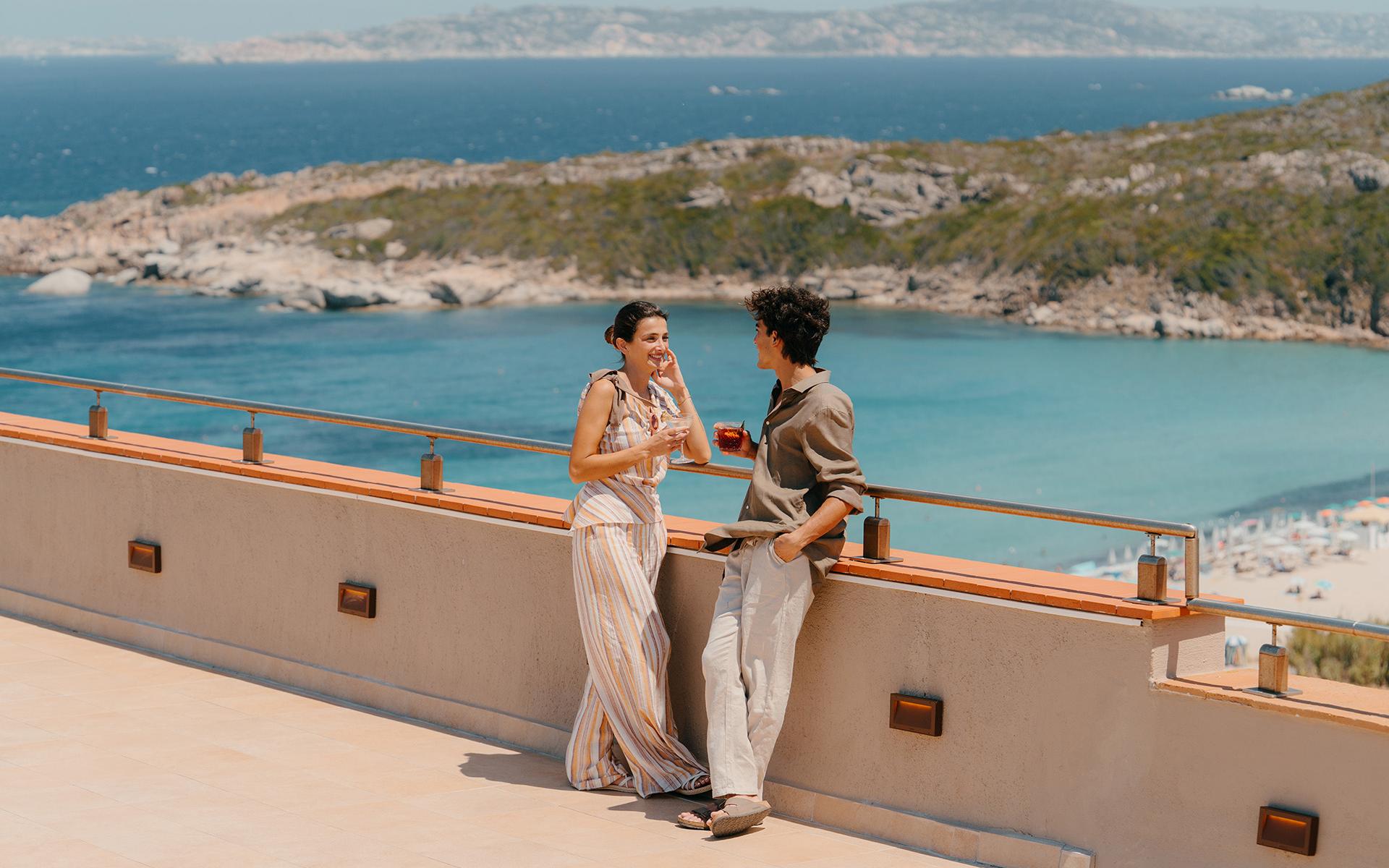
Favignana Island, Sicily: Your Ultimate Travel Guide
Wild beaches, crystal-clear waters and an authentic atmosphere that changes with the seasons. Everything you need to know about Favignana, Sicily's largest Egadian Island.

There are islands you visit, and islands that stay with you long after you've left. Favignana is the latter. Shaped like a butterfly and cradled in the deep blue waters of the Mediterranean, this small jewel off the western coast of Sicily is the largest of the Aegadian Islands — and arguably the most beautiful. Crystal-clear coves carved into ancient tufa rock, the scent of wild thyme drifting on the sea breeze, a fishing port that wakes at dawn and quietens only when the stars come out.
Let's find out more!
What makes Favignana special?
Favignana doesn't try to impress you. It simply does. Unlike the more famous Italian island destinations, it has remained largely untouched by mass tourism (except in august), which means you still get to experience it on its own terms: rocky coves with no bars or umbrellas, lanes where cats outnumber cars, and a relationship with the sea that goes back centuries.
The island has long been defined by two things: tufa stone quarrying and tuna fishing. The quarries — now silent — have sculpted the coastline into extraordinary shapes, creating natural swimming holes and cliffs of pale golden rock. The tuna tradition, meanwhile, lives on in the island's food culture, in its museum, and in the collective memory of the local community. Together, these elements give Favignana a character that raw, authentic, and completely its own.
When is the best time to visit Favignana?
From late April through June, the island is alive with wildflowers, the sea temperature is already inviting, and the beaches are blissfully uncrowded. The light in May is extraordinary — soft and golden in the mornings, turning the water a thousand shades of turquoise by midday.
July and August bring the island to life in a different way: lively, vibrant, and full of energy, with warm evenings stretching long into the night and the sea at its most welcoming.
September and early October offer yet another side of Favignana: the summer crowds have thinned, the temperatures remain warm, and the island settles back into the quieter more intimate pace that feels closest to its true nature. The sea is still perfect for swimming, the light turns richer and more golden, and the tables outside the local trattorie fill with a more unhurried kind of pleasure.
Whatever the season, the ferries run regularly, accommodation is more available outside peak summer, and the whole island feels like it belongs only to you.
What are the best beaches in Favignana?
The island has over 15 beaches and coves, each with its own personality. Exploring them — by bike, boat, or on foot — is one of the great pleasures of a Favignana stay. Here are the ones not to miss.
Cala Rossa
The most iconic beach on the island, and rightly so. Cala Rossa sits on the northeastern tip of Favignana, where ancient tufa quarrying has left behind a dramatic landscape of golden rock formations plunging into impossibly clear water. The shallow, calm sea shimmers in shades of turquoise that seem almost unreal. There are no facilities here, so bring what you need and let the scenery do the rest.
Bue Marino
Many who visit consider Bue Marino the finest spot on the island. Located on the east coast, it is framed by tuff rocks, sea caves, and cliff formations that create a sense of stepping into another world. The water shifts from deep cobalt to bright turquoise depending on the light and depth — a paradise for swimmers and photographers alike. A 15-minute bike ride from town brings you here; the absence of bars or beach clubs only adds to the appeal.
Cala Azzurra
On the southeastern coast, Cala Azzurra offers a slightly different experience: gentler access to the water, a small beach shack serving cold drinks and Sicilian snacks, and a convivial atmosphere that makes it a favourite among locals and returning visitors. The name says it all — the water here is a deep, luminous blue.
Scalo Cavallo
Less visited than the beaches on the eastern side of the island, Scalo Cavallo rewards the curious traveller with a wilder, more dramatic setting. Rocky and windswept, it's the kind of place where you feel the full force of the Mediterranean and understand why sailors have always both loved and feared these waters.
Cala del Preveto
A tiny, almost secret cove near the islet of the same name, Cala del Preveto is a stop that many visitors discover only by boat. Its legend — shared by local guides with a knowing smile — makes it worth seeking out. The water is exceptionally clear, and the surrounding landscape feels remote and untouched.
Cala Rotonda
On the western coast of Favignana, Cala Rotonda is one of the few coves with a pebble beach rather than pure rock, making it slightly more accessible for swimming. The west-facing position makes it one of the best spots on the island to watch the sun sink into the sea — ideally handling a cold drink.
Boat tours and excursions in Favignana
The sea around Favignana is as rich in experiences as the island itself. Whether you prefer to sail, dive, or eat your way through the archipelago, there is something here for every kind of traveller.
Favignana boat tour
The best way to fully appreciate Favignana's coastline is from the water. A boat tour allows you to reach coves that are inaccessible by land and swim in hidden grottos, admiring the island from a perspective that few visitors ever experience. Mangia's offers a dedicated Favignana by boat experience, sailing along the most scenic stretches of coastline, exploring the spectacular calcarenite formations of Bue Marino, and stopping for lunch near Isola del Preveto — a spot wrapped in local legend.
Marettimo by boat
A short distance from Favignana lies Marettimo, the wildest and most remote of the three Aegadian Islands. Rugged cliffs, sea caves, and hiking trails leading to ancient fortresses make it a destination for those who seek raw, unspoiled nature. No cars, no crowds — just the island and the sea. Mangia's organises a dedicated boat excursion to Marettimo offering a day of exploration in one of the most breathtaking corners of the Mediterranean.
Scuba diving and snorkeling
The seabed around Favignana is rich with marine life, underwater caves, and extraordinary geological formations shaped over millennia. Whether you're an experienced diver or approaching the sea for the first time, the waters here are welcoming and endlessly fascinating. Mangia's scuba diving experience takes guests into some of the island's finest diving sites, where the clarity of the water makes every dive feel like swimming through light itself.
Visit the Ex Stabilimento Florio (Tonnara)
No visit to Favignana would be complete without a stop at the Museo dell'Ex-Stabilimento Florio della Tonnara — the island's former tuna-processing factory, now a museum. The Florio family transformed Favignana's economy in the nineteenth century through industrial-scale tuna fishing, and the building itself is a remarkable piece of industrial archaeology. Walking through the old processing rooms, you feel the weight of the island's history in a way that no book quite captures.
Sicilian food tour
Tuna is the undisputed protagonist of Favignana's cuisine — grilled, raw, braised, or stuffed into a crusty panino with capers, olive oil, and ripe tomatoes. But the island's food culture extends beyond its signature ingredient: sea urchin pasta, couscous di pesce, fresh granita, cannoli, and the ritual of the aperitivo are all part of the experience. Seek out the local trattorie in and around Piazza Madrice, or explore the small morning fish market near the port, where the catch of the day is still sold at dawn.
Where to stay in Favignana?
For those wishing to make the most of the island — its mornings, its evenings, and everything in between — staying overnight transforms Favignana from a beautiful day trip into a genuinely unforgettable experience.
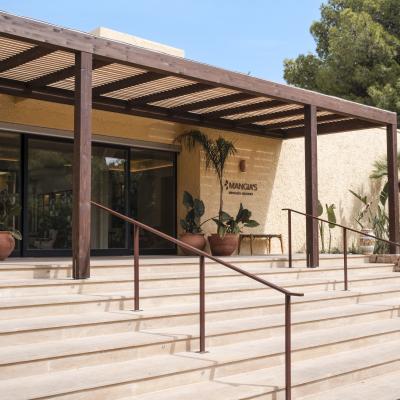
Mangia's Favignana Resort sits in a privileged position on one of the most beautiful stretches of coastline on the island. Designed in the spirit of an authentic Sicilian borgo, the resort is built from natural wood and local materials that blend seamlessly into the surrounding landscape. Over 1,000 square metres of wooden platforms face the sea, offering spaces to sunbathe, enjoy aperitivo, or dine as the waves murmur below. With 155 rooms — several with private terraces and sea views — the resort offers a range of accommodation to suit different needs, from Suites with panoramic vistas to comfortable Superior and Standard rooms.


Facilities include a swimming pool,a Kids Club, yoga sessions, water sports, padel and tennis courts, and the Mediterra restaurant, where the flavours of the Mediterranean are served with care and seasonal ingredients. It is the kind of place where a holiday finds its natural rhythm: slow, warm, and deeply Italian.


How to reach Favignana?
Getting to Favignana is part of the adventure. The island is reached by ferry or hydrofoil from Trapani, on the western tip of Sicily — a crossing of around 30 to 45 minutes depending on the service. Trapani itself is served by a small international airport, with some connections from various European cities during the warmer months. Alternatively, Palermo's Falcone-Borsellino airport — a 90-minute drive from Trapani — offers more frequent connections with major airlines.
Once on the island, the best way to get around is by bicycle. Flat roads, short distances, and sea views at every turn make cycling not just practical, but one of Favignana's great simple pleasures. Bike rentals are available right at the port.
News
Read also
















Close